Best Sales Enablement Tools for 2026
Empower your sales team with the right content, training, and analytics. Compare platforms that accelerate deal velocity and improve win rates.
The best sales enablement tools in 2026 bridge the gap between marketing content and sales execution. HubSpot provides the most accessible all-in-one CRM with built-in sales enablement features for growing teams, Salesforce delivers enterprise-grade enablement powered by Einstein AI, and Gong leads in revenue intelligence with conversation analytics that reveal what top performers do differently. Outreach excels at sales engagement workflows and sequence automation, while Seismic is purpose-built for content management and buyer engagement at scale.
Sales enablement has shifted from a buzzword to a measurable discipline. In 2026, high-performing sales organizations treat enablement as a strategic function that connects content, coaching, and analytics into a unified revenue engine. The right platform ensures reps always have the most effective content at their fingertips, receive data-driven coaching, and spend more time selling instead of searching for resources.
The challenge is that sales enablement tools range from lightweight CRM add-ons to dedicated enterprise platforms costing six figures annually. This guide evaluates five platforms across the enablement spectrum, from all-in-one CRMs with strong enablement features to purpose-built platforms for organizations where enablement is a strategic priority.
At a glance
Quick comparison of the 10 top picks.
| # | Tool | Pricing |
|---|---|---|
| 1 |  | Free → $15/mo |
| 2 |  | Free → $8.33/mo |
| 3 |  | Free → $126.67/mo |
| 4 |  | Paid |
| 5 |  | Free → $20/mo |
| 6 | 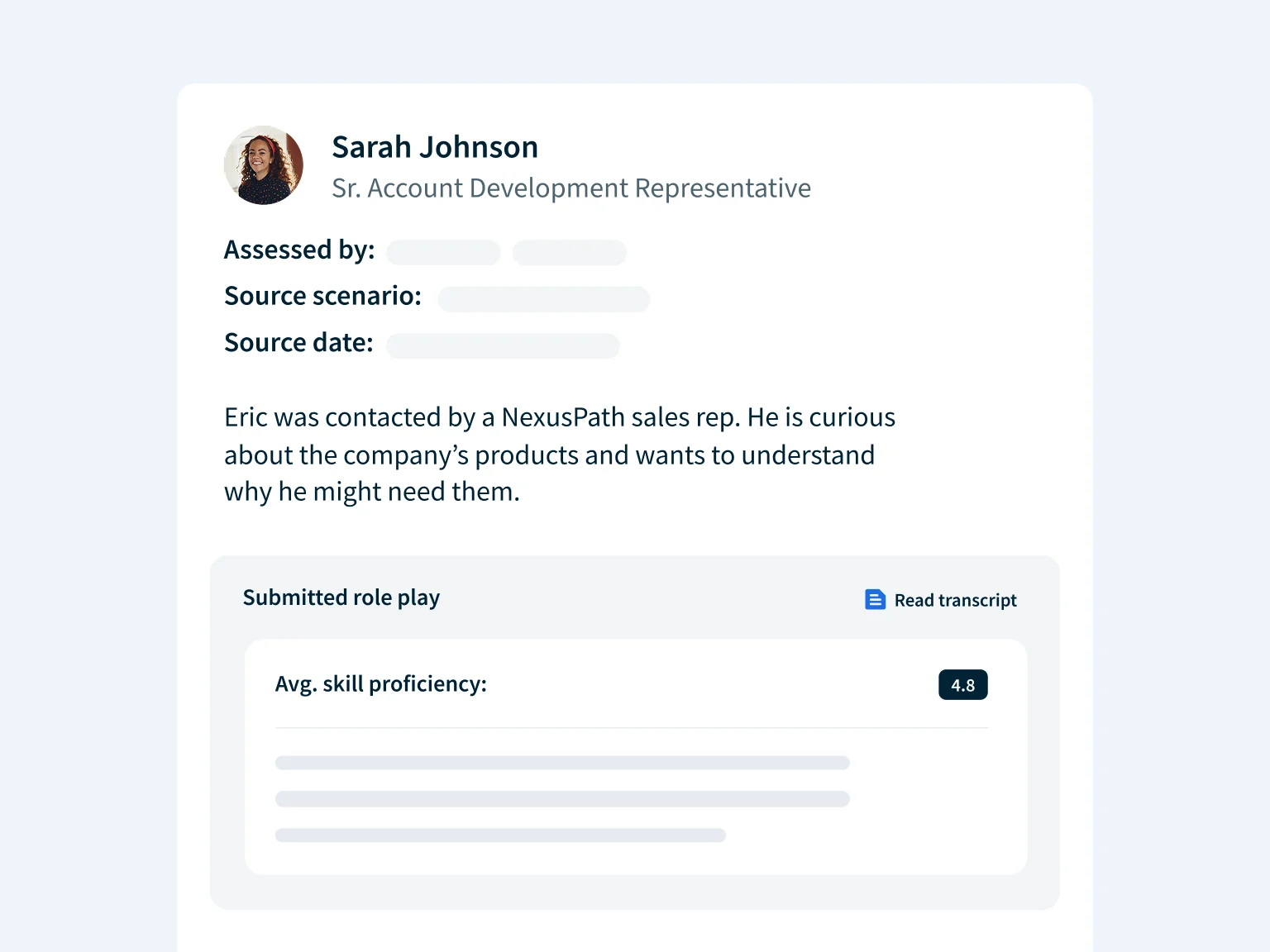 | Free → $25/mo |
| 7 |  | Paid |
| 8 |  | Free + paid |
| 9 |  | Free → £29/mo |
| 10 |  | Free → $60/mo |
Top Picks
Based on features, user feedback, and value for money.
Growing sales teams that want enablement capabilities integrated directly into their CRM without buying a separate platform.
Enterprise teams needing deeply customizable enablement workflows integrated into the Salesforce ecosystem with AI-powered insights.
Sales leaders who want data-driven coaching and deal intelligence based on actual customer conversations rather than self-reported CRM data.
Sales development and account executive teams running structured outreach sequences who need workflow automation at scale.
Enterprise organizations where marketing-sales content alignment is a strategic priority and buyer engagement tracking is critical.
Enterprise sales orgs that want content management, sales coaching, and AI-driven plays in one platform.
Field sales teams (medical, industrial) that need on-the-go content access and buyer engagement tracking.
Sales orgs that want certifications, role-play coaching, and AI-graded mock pitches.
Modern B2B sales teams that want personalised digital sales rooms with embedded video, content, and mutual action plans.
Revenue teams that want unified workspaces for prospects (sales rooms, onboarding, renewals).
Other Sales Enablement worth considering
Beyond the editorial top picks, these are also strong choices we evaluated.





What It Is
Sales enablement tools are platforms that equip sales teams with the content, training, guidance, and analytics they need to engage buyers effectively at every stage of the sales cycle. Unlike standalone CRMs that track deals, enablement platforms focus on making reps more effective by delivering the right content at the right moment, providing structured onboarding and coaching programs, and analyzing what behaviors and materials actually drive revenue.
Modern sales enablement platforms operate across three pillars. First, content management: organizing, distributing, and tracking marketing collateral so reps can find and share the right materials in seconds. Second, sales readiness: onboarding programs, ongoing training, and coaching workflows that get new reps productive faster and keep veterans sharp. Third, engagement analytics: tracking which content buyers actually consume, which talk tracks win deals, and which reps need targeted coaching.
Why It Matters
Organizations with a dedicated sales enablement function achieve 49% higher win rates on forecasted deals compared to those without one. The ROI comes from multiple angles: new reps ramp 30-40% faster with structured onboarding, marketing content utilization increases from the typical 10-20% to 60-80% when delivered contextually, and managers coach more effectively when they have data on rep performance rather than relying on gut instinct.
The cost of not having enablement is hidden but significant. Reps spend an average of 30% of their time searching for or creating content instead of selling. Marketing produces materials that go unused because sales cannot find them. New hires take 9-12 months to reach full productivity without structured programs. Sales enablement tools address each of these problems with measurable impact on pipeline velocity and revenue per rep.
Key Features to Look For
Centralized content library with AI-powered search, tagging, and recommendations that surface the right materials based on deal stage, buyer persona, and competitive situation.
Structured learning paths, video-based coaching, role-play practice, and certification programs that accelerate new hire ramp time and reinforce skills for experienced reps.
AI-powered call recording and analysis that identifies winning talk tracks, objection handling patterns, and coaching opportunities across every customer interaction.
Track which content buyers open, how long they spend on each page, and which materials correlate with closed-won deals to inform content strategy.
Native sync with Salesforce, HubSpot, or Microsoft Dynamics so enablement workflows and content recommendations appear directly in the rep's daily workspace.
Interactive playbooks that guide reps through deal stages with recommended actions, talk tracks, competitive battle cards, and objection responses.
Branded digital sales rooms where reps share personalized content collections with prospects and track engagement in real time.
Evaluation Checklist
Pricing Comparison
| Provider | Starting Price | Free Tier | Best For |
|---|---|---|---|
| HubSpot | $90/seat/mo | Yes (basic CRM) | CRM-integrated enablement |
| Outreach | $100/user/mo | No | Sequence automation |
| Gong | $100-150/user/mo | No | Conversation intelligence |
| Salesforce | $175/user/mo | No | Enterprise customization |
| Seismic | $30,000+/yr | No | Content management at scale |
Prices shown are typical starting points. Most require annual contracts with minimum seat counts.
Mistakes to Avoid
- ×
Buying a full enablement platform before establishing what content and processes you want to enable
- ×
Choosing based on feature count instead of evaluating which specific capabilities address your performance gaps
- ×
Underestimating the content investment needed to populate and maintain an enablement platform effectively
- ×
Not assigning an enablement owner who is accountable for platform adoption and content freshness
- ×
Implementing conversation intelligence without establishing manager coaching habits to act on the insights
Expert Tips
- →
Start with conversation intelligence (Gong) to identify what your best reps do, then build enablement programs around those patterns
- →
Measure enablement success with leading indicators like content utilization and ramp time, not just lagging revenue metrics
- →
Integrate enablement into the daily CRM workflow so reps get recommendations in context rather than logging into a separate system
- →
Create a content governance process before launching: who creates, who approves, when does content expire
- →
Run a 90-day pilot with measurable goals before committing to annual enterprise contracts
Red Flags to Watch For
- !Vendor cannot demonstrate measurable ROI from existing customers in your industry and company size
- !Implementation timeline exceeds 3 months for basic content management and coaching features
- !Pricing requires custom quote with no published tier information for your team size
- !Platform requires dedicated full-time admin just to maintain content and workflows
- !Integration with your CRM is listed as a partner integration rather than native support
The Bottom Line
For most growing teams, HubSpot provides the best balance of enablement features within an integrated CRM at a reasonable price. Salesforce is the right choice for enterprises already invested in the Salesforce ecosystem who need deeply customizable enablement workflows. Gong is essential for any team that wants to coach based on data rather than gut instinct, and pairs well with any CRM. Outreach wins for teams whose primary enablement gap is structured, automated outreach execution. Seismic is the gold standard for enterprise organizations where content management and buyer engagement are strategic priorities worth significant investment.
Frequently Asked Questions
What is the difference between sales enablement and sales engagement tools?
Sales enablement tools focus on making reps more effective through content, training, and coaching, spanning the entire rep lifecycle from onboarding to ongoing development. Sales engagement tools like Outreach focus specifically on automating prospect and customer communication workflows (email sequences, call cadences, meeting scheduling). Many organizations use both: an enablement platform for content and coaching plus an engagement tool for outreach automation. HubSpot and Salesforce blend both capabilities into their CRM platforms.
How long does it take to see ROI from a sales enablement platform?
Expect 3-6 months for measurable impact on leading indicators like content utilization and new hire ramp time. Revenue impact typically shows at 6-12 months as improved rep performance flows through to closed deals. Gong delivers the fastest visible ROI because conversation insights are immediately actionable by managers. Content-focused platforms like Seismic take longer because you need to build and organize your content library before reps see value.
Do small sales teams really need a dedicated enablement tool?
Teams under 10 reps usually do not need a dedicated enablement platform. CRM-integrated features from HubSpot (playbooks, sequences, document tracking) cover the basics at no additional cost beyond your CRM subscription. Invest in a dedicated tool when you hire your 10th rep, when new hire ramp time exceeds 6 months, or when marketing produces content that sales consistently fails to use. These are signals that manual enablement processes have hit their ceiling.
How important is conversation intelligence for sales enablement?
Conversation intelligence through platforms like Gong has become one of the highest-impact enablement investments. It transforms coaching from subjective feedback to data-driven development, reveals which talk tracks correlate with winning deals, and identifies at-risk deals based on buyer signals that reps might miss. For teams making 20+ calls per day, conversation intelligence typically delivers 15-25% improvement in win rates within 6 months by replicating top performer behaviors across the team.
Can we use our CRM for sales enablement instead of buying a separate tool?
Yes, and most teams should start there. HubSpot Sales Hub includes playbooks, sequences, document tracking, and basic coaching tools. Salesforce offers enablement features through Sales Cloud plus additional add-ons. The CRM approach works well until your team exceeds 30-50 reps or your enablement needs include advanced content personalization, structured learning programs, or detailed buyer engagement analytics. At that scale, purpose-built tools like Seismic or specialized intelligence tools like Gong deliver capabilities that CRMs cannot match.
Related Guides
Ready to Choose?
Compare features, read reviews, and find the right tool.