heal.dev vs TestRigor: Pricing and Ratings Compared (2026)
Entry prices and free plans as read on each vendor's pricing page, and user ratings as published on review sites, for heal.dev and TestRigor side by side. This page compares data; it is not a hands-on review.
On the data: On the data below the two are close or not directly comparable, so we do not name a winner for this pair.
Short on time? Here's the quick answer
Based on published vendor pricing and features and on public review data, here's who should pick what:

heal.dev
Uncover runtime bugs, vulnerabilities, and regressions with reproducible failing tests
Best for you if:
- • You want catches bugs that exist between untouched code, config, data, and services
TestRigor
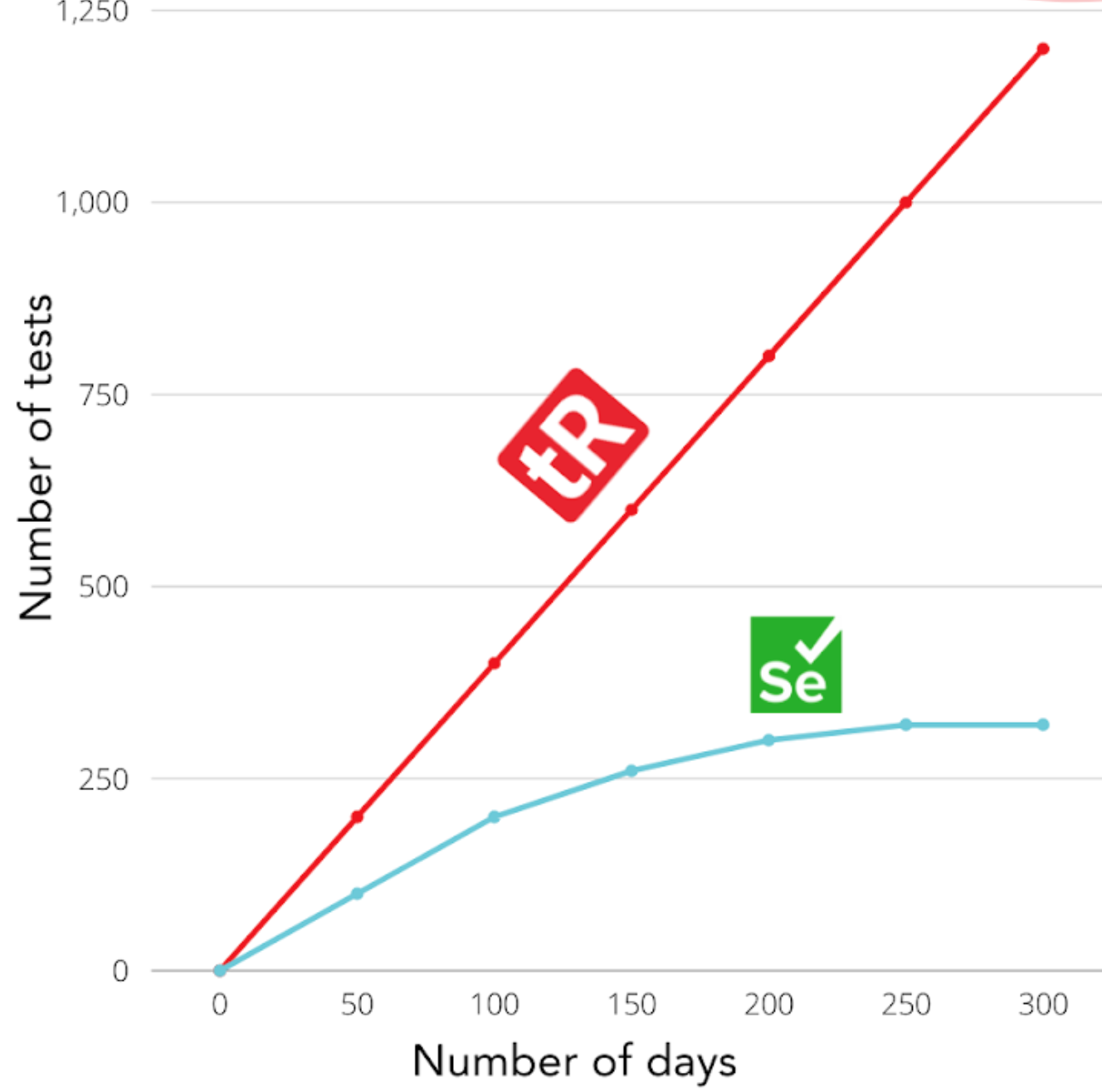
AI-powered test automation that understands plain English, enabling 100x faster test creation and 200x less maintenance.
Best for you if:
- • You want significantly reduces test maintenance burden compared to traditional methods like Selenium/Appium
| At a Glance | heal.dev | TestRigor |
|---|---|---|
Starts at | Not published | Not published |
Category | Testing & QA Vulnerability Scanning | Testing & QA AI & Automation |
Rating | n/a | 4.6/5 G2 4.6 16 reviews |
Free plan | No | No |
Choose heal.dev or TestRigor?
Choose heal.dev if
- You want catches bugs that exist between untouched code, config, data, and services
- You want provides reproducible proof with failing tests, eliminating false positives
Choose TestRigor if
- You want significantly reduces test maintenance burden compared to traditional methods like Selenium/Appium
- You want enables manual QA professionals to create and maintain automated tests without coding skills
In-Depth Analysis
heal.dev
Uncover runtime bugs, vulnerabilities, and regressions with reproducible failing tests
Strengths
- Pro: Catches bugs that exist between untouched code, config, data, and services
- Pro: Provides reproducible proof with failing tests, eliminating false positives
- Pro: Can automatically fix defects using AI agents after detection
Weaknesses
- Con: Requires setting up a production-like sandbox which may be complex for large applications
- Con: Likely more expensive than simple static analysis tools
Key features
TestRigor
AI-powered test automation that understands plain English, enabling 100x faster test creation and 200x less maintenance.
Strengths
- Pro: Significantly reduces test maintenance burden compared to traditional methods like Selenium/Appium.
- Pro: Enables manual QA professionals to create and maintain automated tests without coding skills.
- Pro: Achieves high test coverage (90% or more) in a short timeframe.
- Pro: Accelerates test creation by up to 100 times.
- Pro: Provides full retesting of functionality in under 15 minutes.
Weaknesses
- Con: Desktop application testing is only available in paid versions, implying a potential limitation for free tier users if one existed.
- Con: Requires integration with third-party services like LambdaTest or BrowserStack for a broader range of mobile test devices.
Key features
Key Takeaways
heal.dev
- Choose if you want uncover runtime bugs, vulnerabilities, and regressions with reproducible failing tests
TestRigor
- Choose if you want AI-powered test automation that understands plain English, enabling 100x faster test creation and 200x less maintenance
What the data shows
On the data below the two are close or not directly comparable, so we do not name a winner for this pair.
- Only TestRigor has a published user rating (4.6/5 from 16 reviews); heal.dev has none we can show.
Criteria: user rating (only above 20 reviews on both sides, gap of 0.2 or more), entry price (only on the same billing basis), free plan. How we rate
Frequently Asked Questions
How do heal.dev and TestRigor compare in 2026?
On the data below the two are close or not directly comparable, so we do not name a winner for this pair. Only TestRigor has a published user rating (4.6/5 from 16 reviews); heal.dev has none we can show.
What are heal.dev and TestRigor used for?
heal.dev: Uncover runtime bugs, vulnerabilities, and regressions with reproducible failing tests. TestRigor: AI-powered test automation that understands plain English, enabling 100x faster test creation and 200x less maintenance.
What does heal.dev cost vs TestRigor?
heal.dev has no public paid-plan price on file. TestRigor has no public paid-plan price on file.
What's the main difference between heal.dev and TestRigor?
heal.dev's main strength: catches bugs that exist between untouched code, config, data, and services. TestRigor's main strength: significantly reduces test maintenance burden compared to traditional methods like Selenium/Appium.