Short answer: Monarch Money replaces Mint, at $99.99 a year on Core, with a partner on that subscription, verified September 2026.
Empower keeps net worth free if you will skip a managed account. Rocket Money tracks bills for free, and Premium+ is $15 a month when you want Rowan or the negotiation fee gone. When the plan should start from income, Quicken Simplifi is $3.99 a month, billed annually.
Credit Karma kept the account list. The budget you set, and the partner who sees it, are now a separate bill.

Credit Karma is where Intuit sent Mint, and it is not the budget you set with a partner. Monarch Money is the default when you still want accounts, categories, net worth, goals, and one shared subscription.
The annual Core price is the bill to plan for. Monthly Core is a different contract for that same plan, and Plus is a second annual charge for forecasting and a side business. Buy Plus only after a month of categories has been useful, or you pay for a chart you have not opened.
This page is general information about software. It is not personalized financial advice, and it does not tell you to link a bank or move money.
Toolradar data: 3 of the 7 budgeting apps we track are paid-only (43%), while 57% still offer a free or freemium plan (1 free and 3 freemium). A free row in that catalog can still hide net worth, a partner seat, or bill cancellation behind a paid tier.
Mint's own page says you can link more than 17,000 institutions, review transactions, track spending by category, and follow net worth on Credit Karma. This ranking is the next decision: a budget you set, a household on one bill, or a subscription you want canceled. A wider mix of chat and investing tools is our wider personal-finance guide. Dupple covers the broader shelf in Dupple's personal-finance walkthrough, and Finpresso keeps Finpresso's budgeting roundup.
How we chose: ten apps were lined up against the 7 products in budgeting apps. Every price was read on the vendor's own site in September 2026. Scoring notes live on our rating method.
Top Picks
Picked by editorial review, informed by G2 and Capterra review volume and rating and by media mentions, the signals behind our category rankings. How we rate

The Mint picture, rebuilt as one household bill on Monarch Money.
Starting price
Core $14.99/mo or $99.99/yr
Best for
Couples replacing Mint who want accounts, a budget, net worth, and one shared plan.

What Mint used to cost, approximated by Empower's free net-worth screen.
Starting price
Free dashboard
Best for
People who want net worth free and will decline a managed account.

A bill list first, with net worth waiting on Premium at Rocket Money.
Starting price
Free; Premium+ $15/mo
Best for
Households whose leak is subscriptions, and who may pay to cancel them.
| Tool | Starting price | Rating | Best for |
|---|---|---|---|
| Monarch Money | Core $14.99/mo or $99.99/yr | n/a | Couples replacing Mint who want accounts, a budget, net worth, and one shared plan. |
| Empower Personal Dashboard | Free dashboard | n/a | People who want net worth free and will decline a managed account. |
| Rocket Money | Free; Premium+ $15/mo | n/a | Households whose leak is subscriptions, and who may pay to cancel them. |
| Quicken | $3.99/mo, billed annually | 3.9 28,283 reviews | People who want the month planned from income minus bills, not from leftover categories. |
| YNAB | $109/yr ($9.08/mo) | n/a | Households ready to assign each dollar, and willing to share a single subscription. |
| Copilot Money | $13/mo or $95/yr | n/a | Apple phone, tablet, Mac, or browser users who want merchants tagged first. |
| SuperMoney | Shown at signup | n/a | People who want Sense AI to name a next step and will read the signup price. |
| Kubera | $250/yr | n/a | Holders of trusts, funds, or several currencies who do not need grocery categories. |
| Moneytor | Free; ₪49/mo or ₪490/yr | n/a | Households in Israel who want bank sync and can pay a shekel price. |
| GnuCash | Free (GPL) | 4.2 77 reviews | People who will import a bank file and will not store a login. |
Monarch Money
The Mint picture, rebuilt as one household bill on Monarch Money.
- 5.0 on Capterra (1 reviews)
- Starting price
- Core $14.99/mo or $99.99/yr
- Free plan
- No
Best for: Couples replacing Mint who want accounts, a budget, net worth, and one shared plan.
- Pro: Budgets, cash flow, goals, and net worth sit on Core, with links to 13,000+ institutions through three data providers, so the balance sheet is not locked on Plus.
- Pro: A partner or a professional collaborates at no extra cost, with a separate login, which replaces the shared Mint view without a second subscription.
- Pro: The April 20, 2026 announcement priced Plus at $199 a year for forecasting, a business P&L, Morningstar fund analysis, and a Trust & Will couple's will valued at $299, so buy it only when the demo was that chart.
- Con: There is no free plan. The homepage offers a 7-day trial, and the billing help for the monthly and annual Core prices applies to charges from Monarch, not from Apple or Google.
- Con: Once you invite someone, they can see every connected account and transaction. The household help says you cannot hide a bank account, which is a problem if the share should be partial.
Every subscriber gets unlimited account connections, investment tracking, goals, alerts, and collaborator seats.
Watch out
Bank connection reliability: Monarch uses Plaid and MX for bank syncing. Some institutions (especially credit unions and smaller banks) disconnect frequently, requiring manual re-linking. This is an industry-wide problem, not Monarch-specific, but it still causes data gaps.
- Starting price
- Free dashboard
- Free plan
- Free to use
Best for: People who want net worth free and will decline a managed account.
- Pro: The net-worth page calls the dashboard free, and the terms say use of it is offered free of charge, so the Mint-style snapshot does not require a subscription.
- Pro: You can connect retirement accounts, investments, mortgages, loans, checking, savings, and credit cards, and transactions are categorized automatically, which covers the account list Mint used to pull.
- Pro: The free login also carries a savings planner, debt paydown, and an emergency-fund plan, so those goals do not require a second paid app.
- Con: The budgeting widget lets you edit one monthly budget number, and specific budgeting goals are not available, so a grocery cap is a different product from this dashboard.
- Con: Wealth management is a separate fee if you elect it. The dashboard terms do not print that percent, so a planning call is not a free upgrade of the budget tool.
- Starting price
- Free; Premium+ $15/mo
- Free plan
- Free to use
Best for: Households whose leak is subscriptions, and who may pay to cancel them.
- Pro: Subscriptions, bills, a credit score, and up to two custom category budgets are on the free plan, and the basic version is listed at $0, so you can look before Premium.
- Pro: From there, Premium costs $7 to $14 a month and adds cancellation by their team (usually 2 to 10 days), net worth, a shared login, and web access, after a 7-day trial of Premium features.
- Pro: Premium+ adds Rowan and drops the negotiation fee. Plaid is how Rocket Money connects, with 256-bit encryption, and banking credentials are not stored on its servers.
- Con: On Free and Premium, a successful bill negotiation costs 35% to 60% of the savings in the first year. Only Premium+ waives the fee, and you can submit one negotiation at a time.
- Con: Net worth and a partner login are Premium, so a free account that expects the old Mint snapshot is on the wrong tier and will stop at the subscription list.
This is generous pricing compared to many competitors that charge higher fees or take a cut of savings.
Quicken
A paycheck-first spending plan, sold as Quicken Simplifi.
- 3.6 on Trustpilot (27,672 reviews)
- 3.9 on Capterra (468 reviews)
- 4.3 on G2 (76 reviews)
- Starting price
- $3.99/mo, billed annually
- Free plan
- No
- Rating
- 3.9 (28,283 reviews)
Best for: People who want the month planned from income minus bills, not from leftover categories.
- Pro: From income, Simplifi subtracts bills and subscriptions, then shows the remainder, including a per-day figure for whatever is left this month, which is the target Mint never calculated for you.
- Pro: The same subscription connects to more than 14,000 institutions, tracks bills and subscriptions, and lets you add one other person with spaces and sharing.
- Pro: Quicken Assist can draft a change from your own data, and no action is taken unless you review and approve it, so a drafted goal is still your transfer.
- Con: A crossed-out $6.99 sits beside the annual rate. Recheck that struck figure if the discount disappears, since a promo does not lock next year's price.
- Con: There is no free trial. The guarantee is a 30-day money-back, a refund ends access immediately, and Quicken Assist is not available in a shared space.
The 'Business & Personal' tier at $3.99/month also offers good value for combined financial management.

- Starting price
- $109/yr ($9.08/mo)
- Free plan
- No
Best for: Households ready to assign each dollar, and willing to share a single subscription.
- Pro: Up to six people share the subscription. The 34-day trial on ynab.com skips the credit card, although an app-store install may still demand one.
- Pro: A college student with proof of enrollment can take a 365-day trial, the longest window in this ranking, and learn the method before the annual bill arrives.
- Pro: Select banks in the US, Canada, the UK, and the EU can import directly. YNAB states it is an agent of Plaid. The pricing page says new users save $600 in the first month and more than $6,000 in a year, which is the company's own average, not a promise for your accounts.
- Con: The pricing page does not list an assistant. The fee buys the method, the targets, and the loan calculator. You still assign the dollars yourself.
- Con: One plan uses one currency. Spend in two currencies and you need a second plan, because one plan cannot be shared across them.
At $14.99/month or $109/year ($9.08/month), YNAB's pricing is premium compared to free budgeting tools like Mint, but the annual plan offers a meaningful discount.

- Starting price
- $13/mo or $95/yr
- Free plan
- No
Best for: Apple phone, tablet, Mac, or browser users who want merchants tagged first.
- Pro: Both published prices include tagging. The model learns your spending patterns and labels every transaction, and there is no cheaper tier that switches it off.
- Pro: A leftover budget can carry into the following month. Recurring charges, a gym or a stream for example, get spotted on the page, which is the leak category views often hide.
- Pro: A Zillow URL can supply the home value, and investments sit beside spending. The 1-month trial starts before any account is connected.
- Con: The web, iPhone, iPad, and Mac are the supported devices. An Android-only household should leave this row.
- Con: Copilot's homepage never names the aggregator. You learn which banks connect only after signup, which is late if a missing bank is why you are shopping.
Copilot Money's pricing, at $13/month or $95/year, is on the higher end for personal finance apps, especially considering the market.

- Starting price
- Shown at signup
- Free plan
- Yes
Best for: People who want Sense AI to name a next step and will read the signup price.
- Pro: The March 3, 2026 launch post says Sense AI reads income, spending, debt, and savings, then names a next step, and the app tracks a budget and net worth across banks, cards, loans, and investments.
- Pro: SuperMoney says it is SOC 2 Type II certified, and that Sense AI does not receive personally identifiable information. You can disconnect an account when you stop using the plan.
- Pro: The terms say account links may use providers such as Plaid, MX, Finicity, or Akoya, so the connector is named as a set of examples rather than left blank.
- Con: The monthly and annual rates appear at signup, not on a public card. Miss the cancel and the trial becomes that rate. Each person gets a single trial.
- Con: The terms call the product information, not advice. If a next step sounds like an order, you still decide before money moves.
SuperMoney: Budgeting AI (SuperMoney LLC) is Free to download.
Watch out
A subscription is required. The dollar is not public on the listing we fetched.

- Starting price
- $250/yr
- Free plan
- No
Best for: Holders of trusts, funds, or several currencies who do not need grocery categories.
- Pro: Kubera publishes $250 a year and contrasts that flat bill with a 1% wealth-management fee, which means the cost does not grow when the portfolio does.
- Pro: Claude, ChatGPT, Grok, or Muse can read the portfolio, and the cash forecast is meant to absorb a capital call without a forced sale.
- Pro: Banks, brokerages, crypto, private funds, and property can sit together, across more than one currency, with tags for who owns each trust or entity. Several aggregators run underneath, according to the homepage.
- Con: The homepage does not publish a monthly category budget. Groceries, rollovers, and a partner envelope belong in a different product, and this annual plan will not replace them.
- Con: The homepage lists no free tier. Pay the annual plan when trusts and entities are the actual mess, not when you miss grocery categories.
Kubera's pricing is fair for its niche but not cheap.
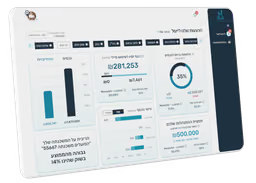
- Starting price
- Free; ₪49/mo or ₪490/yr
- Free plan
- Yes
Best for: Households in Israel who want bank sync and can pay a shekel price.
- Pro: Manual assets, stock and crypto price updates, and a real-estate estimate are ₪0 on Basic, on the website and the app, which is enough only if you will type the balances.
- Pro: Premium is ₪49 a month or ₪490 a year, and it adds daily sync from Israeli banks and credit cards, pensions, loans, and crypto wallets.
- Pro: The couples subscription includes two users at no extra seat price, plus net worth over time and an early-retirement tool, so a second login is not a second bill.
- Con: The bank connections on the English price page are Israeli accounts. A checking login that exists only in the US will not connect, and this will not replace that Mint link.
- Con: Automatic bank connections are not on the free plan. Premium is what moves those balances off a manual list, the chore Mint used to handle.
Moneytor's pricing is fair, offering a robust free tier for basic tracking and a reasonably priced premium tier at ₪49/month (approx.

GnuCash
GnuCash, the on-computer ledger when the bank login stays off the app.
- 4.5 on Capterra (53 reviews)
- 4.2 on G2 (23 reviews)
- 3.0 on SourceForge (1 reviews)
- Starting price
- Free (GPL)
- Free plan
- Free to use
- Rating
- 4.2 (77 reviews)
Best for: People who will import a bank file and will not store a login.
- Pro: Version 5.16 is free under the GPL on Windows, Mac, and Linux. There is no subscription, and no trial that converts into a bill later.
- Pro: It tracks bank accounts, stocks, income, and expenses with double-entry accounting, which keeps the books balanced in a way a dashboard does not.
- Pro: Import HBCI, QIF, or OFX, then match the transactions. The register updates from that export, not from a password kept in the cloud.
- Con: The download page does not ship a hosted assistant or a phone companion, so the check happens at a computer, not while you are standing in a store.
- Con: It will not pull a live bank feed the way Mint did. The update is a file you export, which is both the privacy trade and the extra step each month.
GnuCash's pricing is exceptionally generous, as it is entirely free.
The jobs a Mint replacement still has to do
A Mint alternative is an app that links accounts, sorts transactions, and shows what you own, after Intuit pointed those jobs at Credit Karma. A hand-filled spreadsheet is another product. Nothing in it pulls the merchant name from the bank.
A full household budget suits two people who want categories, goals, and net worth on one bill. Monarch Money puts the partner on the same subscription, syncs with more than 13,000 institutions through three data providers, and keeps the budget on Core. Plus, announced on April 20, 2026, at $199 a year, is the forecast and the side business. Skip Plus if all you wanted back was the shared monthly view.
A free net-worth view suits someone who will accept a thinner budget. Empower Personal Dashboard is offered free of charge, and the terms say a wealth-management service is a separate fee if you opt in. The budgeting help article lets you edit one monthly number, and it says specific budgeting goals are not available. That gap matters if you used Mint to cap groceries rather than to watch a balance.
A bill list suits a household whose leak is subscriptions. Rocket Money shows those on the free plan, through Plaid, and it keeps net worth and a partner login on Premium. Rowan, the assistant you text, is Premium+. Stay on the free list if you only need to see the charges, and move up when you want them canceled or answered.
A spending plan begins with income, takes bills out, and shows the remainder, including a per-day figure for whatever is left this month. Quicken Simplifi is that path, and YNAB is the path that makes you give each dollar a job. Copilot Money tags merchants on iPhone, iPad, Mac, and the web. An Android-only phone should skip that row and stay with an app that lists both stores.
SuperMoney is the hosted app whose Sense AI names a next step, with the dollar amount shown at signup. Kubera is the paid balance sheet for trusts and several currencies, which is the wrong buy if the job is still groceries. Moneytor is the shekel plan for Israeli banks. GnuCash stores the file locally when a bank login is off the table. The wider shelf is budgeting apps.
The free tier is often the wrong screen
Mint trained people to expect accounts, categories, and net worth for $0. The apps that still do all three usually split them. A free install can show the transactions and still leave the net worth, the partner, or the cancellation on a paid tier, and that gap shows up the first month you try to live in it.
Rocket Money puts net worth, a shared login, unlimited custom budgets, and the desktop site on Premium, on a slider from $7 to $14 a month. The free plan tracks subscriptions, a credit score, and up to two custom category budgets, and it does not include net worth. Premium+ is the higher fixed monthly tier, adds Rowan, and removes the success fee. Free and Premium charge 35% to 60% of whatever the negotiation saves in its first year, and only if that negotiation works. Compare that cut with the cost of moving up before you accept a quote.
Monarch shows a monthly Core price and an annual Core price for members billed by Monarch, not by Apple or Google. Plus is a separate annual tier, and you should confirm the amount at checkout because terms vary by platform. Forecasting on Plus is a desktop feature. The budget, cash flow, goals, net worth, and connected accounts stay on the plan you already have, so the household view is not the thing Plus is selling.
Empower's terms say the dashboard is free of charge, and they do not print an advisory percent next to that sentence. The tools page lists a budget, cash flow, net worth, a savings planner, debt paydown, and an emergency fund. The budgeting widget lets you edit the monthly budget figure, and specific goals are not available, which is the gap if you used Mint to cap groceries rather than to watch a balance. Decline the planning pitch if the free screen was the whole point.
Quicken Simplifi shows the annual rate next to a crossed-out $6.99, and there is a 30-day money-back guarantee rather than a free trial. A refund ends access immediately, so the window is a return, not a practice month. Copilot shows $13 a month, or $95 billed yearly (displayed as $7.92 a month), with a 1-month trial, on iPhone, iPad, Mac, and the web. An Android phone is the wrong row, and you would be paying for devices you do not own.
Key Features to Look For
Net worth on the plan you will still open (Essential)
Monarch shows net worth on Core, so you do not buy Plus to see the balance sheet you already had in Mint. Rocket Money puts net worth on Premium, which means the free plan is a bill list, not a Mint-style snapshot. Empower's net-worth page says the dashboard is free, which is the row if a subscription is the objection.
A partner on the bill you already pay (Essential)
Monarch lets you collaborate with a partner or a professional at no extra cost, on one subscription, so the second person is not another Mint replacement. Simplifi adds one other person. YNAB shares one plan across the household. Rocket Money's free plan does not include a shared login, and Premium does, so a couple on the free tier is still on two separate views.
A budget that matches how you already decide (Essential)
Simplifi starts from income minus bills and subscriptions, then shows what is left, including a figure for the rest of the month. YNAB asks you to give every dollar a job, which fails if you wanted Mint's passive categories back. Monarch and Copilot start from categories and tags. Pick the habit you will still keep after the trial ends.
A named connector before the bank password (Important)
Rocket Money connects through Plaid, across more than 12,000 banking partners, and it does not store banking credentials. YNAB states it is an agent of Plaid. SuperMoney's terms list Plaid, MX, Finicity, and Akoya as examples of link providers. If the vendor does not name the connector, treat it as unknown before you link an account you used to sync in Mint.
A negotiation cut written as a percent (Important)
Rocket Money takes a cut of the first year's savings on Free and Premium, and only after a successful negotiation. Premium+ removes that fee, so the lower tier can cost more than moving up once the save is large. A savings quote that skips the percent is an incomplete price, and it is the line to ask for before you approve a bill change.
Forecasting only if your tier includes it (Important)
Retirement, a new job, or a house move is charted on Monarch Plus, and only on desktop web, so a phone-only household will not see it. Simplifi projects cash flow from your own income and bills. Core, and Rocket Money's free plan, stay on this month. Buy the forecast tier only after the current month has already been useful.
The phone you already carry (Nice to have)
Copilot lists iPhone, iPad, Mac, and web, so an Android-only household should start elsewhere and not burn a trial on the wrong devices. Rocket Money lists iOS and Android on the free plan, and it keeps the desktop site for Premium. GnuCash is a desktop app for Windows, Mac, and Linux, which suits a desk more than a checkout line.
A local file, if the login is the objection (Nice to have)
GnuCash imports a bank file and matches transactions, so the register updates without a stored password. Kubera runs multiple aggregators and also allows manual positions. Those are different privacy trades from a hosted free dashboard, and the file path is the one to pick when Credit Karma's login is exactly what you do not want to repeat.
Decide this before a bank login
-
When a couple will both open the budget, Monarch or YNAB already prices the second person, and paying for two logins wastes the second bill.
-
An Android phone should skip Copilot. Its product page names iPhone, iPad, Mac, and the web, so the trial would be spent on hardware you do not own.
-
If you want net worth without a subscription, start with Empower, and read the budgeting help before you expect a grocery cap, because specific goals are not on that widget.
-
If the leak is recurring charges, open Rocket Money's free plan first, and move to Premium+ only when you want Rowan or you want the negotiation fee removed.
-
If a bank password is the objection, start with GnuCash and import a file. Every hosted dashboard, free ones included, is a separate privacy choice.
Evaluation Checklist
On Monarch, invite the second person during the 7-day trial and confirm they can see the same budget. The household help says you cannot hide a connected account from them, so the trial should prove that visibility is acceptable before you pay.
On Empower, edit the monthly budget number and try to set a category goal. The widget help says the monthly figure is editable and that specific budgeting goals are not available, so the test is whether that limit replaces what you did in Mint.
Write down the subscriptions Rocket Money's free plan already found, then decide if their team should cancel any. Cancellation sits on Premium, Rowan sits on Premium+, and the free list may already be enough.
Inside Simplifi, build the spending plan from one real paycheck and check whether Quicken Assist appears. The chat is for Basic subscribers and is not available in a shared space, so a couple should test the share before they rely on it.
During YNAB's 34-day trial, give one month of dollars a job and notice whether you will still do it once the novelty fades. The trial on ynab.com does not require a card, and the method is what you are actually buying.
On Copilot, tag a week of real merchants before the 1-month trial ends, on a device the product page actually lists. Because the model learns from use, that first week is the real test, and an unsupported phone makes the week useless.
Pricing Overview
Free to start
Empower's dashboard, Rocket Money's free bill list, GnuCash, Moneytor Basic, and SuperMoney before the trial converts.
No subscription
Household plans with a public price
Core on Monarch, Copilot's monthly or yearly plan, Rocket Money's paid tiers, Simplifi, and YNAB paid annually.
From a low annual bill up to Premium+
A different job than this month's categories
Monarch Plus, Kubera's balance sheet, and SuperMoney once the signup screen shows the rate.
Annual, or a price at signup
Pricing Comparison
| Tool | Price | Includes | How you pay |
|---|---|---|---|
Core $14.99/mo or $99.99/yr | Partner included. Plus was announced at $199/yr. Trial is 7 days. Confirm Plus at checkout. | Monthly or annual Core; Plus annual | |
Empower | Dashboard free | Budget widget, cash flow, net worth. Specific category goals are not on the widget. Advice is a separate fee. | Free tools; advice is opt-in |
Free; Premium $7 to $14/mo | Premium+ at $15/mo adds Rowan and drops the 35% to 60% negotiation cut. | Monthly, and you choose the Premium amount | |
Quicken Simplifi | $3.99/mo billed annually | Spending plan from income. $6.99 is crossed out. 30-day money-back, not a free trial. One extra person. | Annual |
$109/yr ($9.08/mo) | Assign-every-dollar plan, share with up to 6 people, 34-day trial. A monthly option exists. No assistant listed. | Annual, or monthly | |
$13/mo or $95/yr | Tagging, budgets, investments. Yearly displays as $7.92/mo. Trial lasts 1 month. Devices: iPhone, iPad, Mac, web. | Monthly or yearly | |
Price shown at signup | Sense AI, budget, net worth, credit. Monthly or annual. Trial converts if you do not cancel. | Disclosed at signup, in USD | |
Kubera | $250/yr | Balance sheet, cash forecast, and a feed your own assistant can read. The homepage has no grocery plan. | Annual |
Moneytor | Free; ₪49/mo or ₪490/yr | Israeli bank sync, pensions, two users at no extra seat price. Basic stays manual. | Shekels, monthly or by the year |
Free | Desktop double-entry, version 5.16, GPL. QIF/OFX/HBCI import. No hosted login. | No subscription |
Vendor sites supplied these household prices on September 23, 2026. The struck Quicken number is whatever the product page showed that day. Treat it as a promo and look again before you pay. Moneytor's prices are in shekels. Monarch Plus is the April 20, 2026 announcement price, and the help center says to confirm it at checkout.
See other Monarch options, other Rocket Money options, other YNAB options, Monarch against Quicken, and Empower against Monarch. The category shelf is budgeting apps.
Mistakes to Avoid
- ×
Treating Credit Karma as this list. Mint's page describes transactions, category spending, and net worth there. A budget you set with a partner, or a bill you want canceled, is a different product, and it starts with Monarch, Empower, or Rocket Money.
- ×
Expecting net worth on Rocket Money's free plan. Net worth and a shared login sit on Premium, so a free install that looks like Mint will stop at the subscription list.
- ×
Buying Monarch Plus to get the household back. The partner is already on Core. Plus is the annual forecast, the business view, and the will benefit, and forecasting is on desktop web.
- ×
Sharing Simplifi and then looking for the chat. Quicken Assist is absent from a shared space, and the chat is for Basic subscribers. A couple should test the share before they count on the assistant.
- ×
Turning an Empower tour of the budget widget into a managed account. That dashboard costs nothing. Wealth management is a separate fee if you elect it, and the terms do not print that percent beside the free tool.
Expert Tips
- →
Run the Monarch trial with the second person in the room, and open one shared category before you look at Plus. Open other Monarch options only after that view is either useful or too open.
- →
Price Rocket Money as the subscription plus the negotiation cut. Move to Premium+ only if staying lower and paying that cut would have cost more than the higher tier. The side-by-side is other Rocket Money options.
- →
Recheck the crossed-out Quicken rate the day you subscribe. The product page showed a struck-through figure next to the annual offer, and a promo does not lock next year's price. A side-by-side with the household budget is Monarch against Quicken.
- →
Share YNAB before anyone buys a second login. One subscription already covers the household, so a partner on their own plan pays twice for the same method. Other directions are on other YNAB options.
- →
Stay with GnuCash when the objection is the login. Importing a file is the entire point. Any hosted app here, Empower's free dashboard included, makes a different privacy trade. How we edit explains how we handle that.
- →
Kubera fits when holdings are the mess. It does not fit when the problem is grocery categories. A no-fee ledger on your own computer starts at the no-fee ledger guide. The free dashboard set against the household budget is Empower against Monarch.
Red Flags to Watch For
-
A Monarch charge through the App Store or Google Play whose total does not match the web price. The billing help applies to members billed by Monarch, and a Plus discount for older Core members does not apply to Apple or Google billing.
-
A Rocket Money savings quote that omits the 35% to 60% cut of the first year's savings. Premium+ is the plan that removes that fee, so the quote is incomplete until the percent is on the page.
-
An Empower call that frames the free dashboard as the on-ramp to wealth management. The terms say that service is a separate fee if you elect it, and they do not print the percent beside the free dashboard.
-
A Simplifi refund request after the guarantee window, or a refund you did not mean to file. The guarantee is 30 days, there is no free trial, and a refund ends access immediately. App Store and Google Play purchases are refunded by the store.
-
A YNAB pitch that promises an in-app assistant. The pricing page lists import, goals, a loan calculator, and sharing, and it does not list a chat, so you would be paying for a feature the page never offered.
-
A SuperMoney trial left running past the cancel date. The terms bind you to the price shown at signup, and forgetting the cancel turns the trial into the monthly or annual fee.
The Bottom Line
Choose Monarch Money when you want the old Mint picture back: accounts, categories, goals, net worth, and a partner on one subscription. Stay on Core unless the demo you cared about was the forecast. Choose Empower when the dashboard should cost nothing and you will decline a managed account, knowing the widget does not set category goals.
Choose Rocket Money when the leak is subscriptions, and pay for Premium+ only when Rowan, or the removal of the negotiation fee, is the reason. Choose Quicken Simplifi if the plan should start from income, and recheck the crossed-out rate before you assume it holds. Choose YNAB when you will assign every dollar. Choose Copilot if your devices are iPhone, iPad, Mac, or a browser, and skip it if the only phone is Android.
Pick SuperMoney after you have read Sense AI's next step and the price on the signup screen. Pick Kubera when you need a balance sheet your own model can read. Choose Moneytor for Israeli banks, priced in shekels. Pick GnuCash when the books should remain on your own machine.
Cite this: Toolradar, "Best Mint Alternatives in 2026", September 2026. Prices were read on vendor pages in September 2026. The set was compared with the 7 budgeting apps we track.
Frequently Asked Questions
What is the best Mint alternative in 2026?
Monarch Money is the pick when you want accounts, a budget, net worth, and a partner on one subscription. Core holds those pieces, a partner is included, and Plus is the forecast rather than the household view, so the annual Core price is the one to budget.
Choose Empower if the dashboard should stay free and you can live without category goals. Choose Rocket Money's free plan if the job is subscriptions, and Premium+ if you want Rowan. Choose Quicken Simplifi, billed annually, if the plan should start from income.
How much does a Mint alternative cost?
As of September 23, 2026, Core on Monarch is $14.99 a month or $99.99 a year. Plus was announced at $199 a year, which is the forecast rather than the household budget. Confirm Plus at checkout. Copilot is $13 a month or $95 a year. Rocket Money's Premium slider runs $7 to $14 a month, while Premium+ costs $15 a month. Quicken Simplifi bills $3.99 a month annually, with $6.99 crossed out beside it. YNAB is $109 a year, shown as $9.08 a month, and the pricing page also lists a monthly plan at $14.99.
Kubera is $250 a year. Empower's dashboard is free. Moneytor Premium runs ₪49 a month, or ₪490 if you pay for the year. SuperMoney shows its monthly or annual rate at signup. GnuCash is free.
Is there a free Mint alternative?
Empower's dashboard is free of charge, including the budget widget, cash flow, and net worth, and specific category goals are not on that widget. Rocket Money's free plan tracks subscriptions, bills, a credit score, and up to two custom category budgets, and it does not include net worth or a partner login.
Version 5.16 of GnuCash is free and stays on the computer, which is the point if the file should not live on someone else's server. Moneytor Basic is ₪0 for manual tracking, and bank sync sits on Premium. SuperMoney may offer a trial, then the rate from the signup screen. Monarch, Copilot, Quicken Simplifi, YNAB, and Kubera publish no free plan.
How does Monarch Money compare with Empower?
Monarch is the household budget you pay for: a partner is on the same subscription, the page lists 13,000+ institutions, and Plus is a separate annual bill for forecasting. Empower is the free dashboard: the terms say it costs nothing, you can connect investments and everyday accounts, and the budgeting help says specific goals are not available.
Pick Monarch when two people need the same categories. Pick Empower when the snapshot should stay free and you will ignore a wealth-management pitch. The pair is on Empower against Monarch.
What should you check before linking a bank to replace Mint?
The answer changes by app, and none of this is advice about your accounts. Plaid is the connector Rocket Money names. It uses 256-bit encryption and keeps banking credentials off its own servers. YNAB says it acts as an agent of Plaid when it pulls account information. SuperMoney's terms list Plaid, MX, Finicity, and Akoya as examples, and the company says it is SOC 2 Type II certified.
GnuCash never takes the login. You bring in a QIF, OFX, or HBCI file instead. Monarch uses three data providers and does not name them on that help page. Copilot's homepage does not name the connector. Read the security page on each vendor site, then disconnect any app you no longer use.
What happened to Mint?
Intuit's Mint page says the product has been reimagined on Credit Karma. That page describes reviewing transactions, monitoring spending, tracking net worth, linking accounts from more than 17,000 institutions, and seeing spending by category. Mint is not a pick here, because that page is no longer a separate budget you can reopen and share.
For a shared budget with net worth included, start with Monarch Core. For a free dashboard, start with Empower. If the job is subscriptions, open Rocket Money's free plan. If you want a spending plan you pay once a year, start with Quicken Simplifi.
Does YNAB replace Mint?
YNAB replaces the habit, not the passive category view. Bank import, goals, a loan calculator, sharing for up to six people, and a 34-day trial are what the pricing page lists, and it does not list an assistant. You pay the annual price and then assign every dollar, so the fee is for the method.
Stay with it if you want the discipline and will keep assigning dollars once the trial ends. Use Monarch or Empower when you want the snapshot with less weekly assignment. Those two approaches are why YNAB stays on this list, and why it is not the first pick for someone who only wants Mint back.
Cite this page: Toolradar, "Best Mint Alternatives in 2026", updated September 2026, https://toolradar.com/guides/best-mint-alternatives
Sources
Prices and plan details on this page come from each vendor's own pricing page, re-checked by the Toolradar pricing tracker:
- Monarch Money pricing, checked
- Rocket Money pricing, checked
- Quicken pricing, checked
- YNAB pricing, checked
- Copilot Money pricing, checked
- SuperMoney pricing, checked
- Kubera pricing, checked
- Moneytor pricing, checked
- GnuCash pricing, checked
Related Guides
Some offers on this page may be paid placements or contain affiliate links.