
farmOS
Claim this toolWeb-based platform for comprehensive farm management, planning, and record keeping.
Free, no paid tierVisit WebsiteThe Bottom Line
- Price
- Free, no paid tier. Compare plans
Key facts
- Open-source web application for farm management.
- Provides tools for planning and record keeping.
- Built on Drupal for modularity and extensibility.
Pros
- Completely free and open source
- Highly customizable and extensible due to Drupal foundation
- Strong community support and development
- Secure and transparent platform
Cons
- Requires self-hosting or reliance on third-party hosting
- May require technical knowledge for installation and maintenance
- Features are community-driven, so specific integrations might need development
What is farmOS?
Available on: Web
Key Features
- Web-based farm management interface
- Planning tools for agricultural operations
- Record keeping for farm activities and data
- Modular and extensible architecture (built on Drupal)
- Community-driven development
- Open-source code available on GitHub
Pricing Plans
Pricing checked Oct 2, 2026
| Plan | Price | Details |
|---|---|---|
| farmOS | Free |
+5 more Show less
|
Is farmOS worth the price?
The pricing for farmOS is exceptionally generous, as it is completely free and open-source.
This makes it an incredibly fair and accessible option compared to any paid farm management software on the market. It's best for individuals and organizations seeking a powerful, customizable, and cost-free farm management solution.
Reviews

Review farmOS, get a free AI guide
Share your experience and we will send you Improve Your Thinking Patterns Using ChatGPT, free.
Best farmOS Alternatives
Top alternatives based on features, pricing, and user needs.

Your comprehensive cloud-based operating system for efficient winery management.
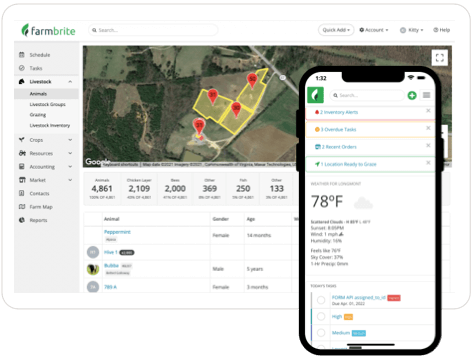
Unified farm management software for improved efficiency, productivity, and profitability.
Comprehensive farm management software for record-keeping, scheduling, and team communication.

Digital agriculture solutions supporting the entire agri-food value chain with AI and data-driven tools.
Satellite-powered smart insights for agriculture, mining, carbon monitoring, and supply chain traceability.
Still deciding?
Most buyers shortlist 2 or 3 tools before committing. Pull a side-by-side comparison or browse the full alternatives shortlist below.
Explore More
farmOS FAQ
How does farmOS leverage Drupal for its functionality and extensibility?
What are the primary methods for deploying and hosting a farmOS instance?
How can I contribute to the development or improvement of farmOS?
What kind of data can be managed and recorded within farmOS?
Source: farmos.org